Queenstown Massage Therapy – Reduce Pain, Stress & Muscle Tension

The Benefits of Massage in Queenstown

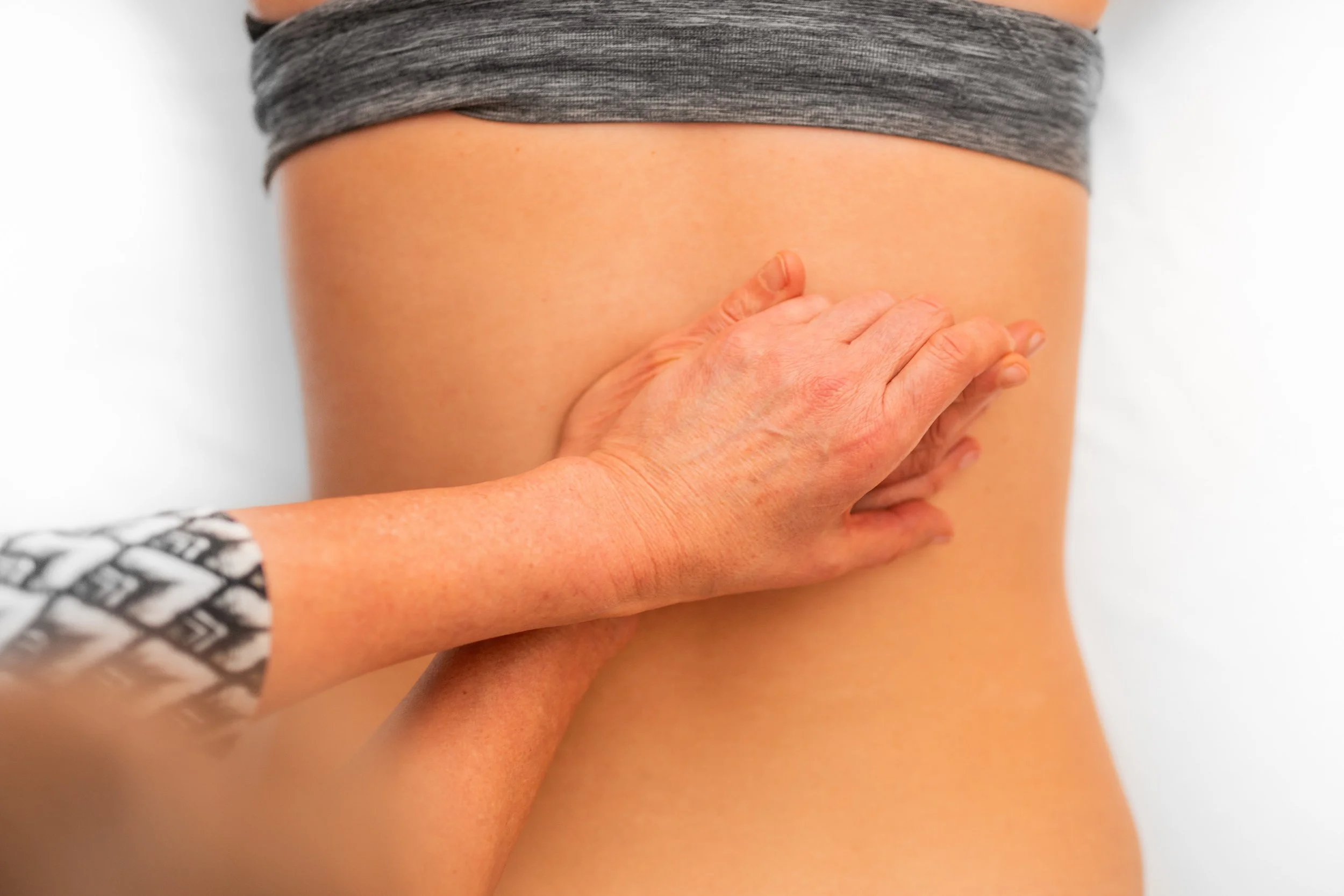
Life in Queenstown is active, adventurous, and sometimes stressful — whether it’s hiking, skiing, or simply juggling work and family. Regular massage therapy can help you stay relaxed, recover faster from physical activity, and maintain overall wellness. At my Queenstown clinic, I provide remedial massage treatments designed to relieve tension, promote circulation, and improve mobility.

One of the main benefits of massage is reducing muscle tension and pain. Deep tissue, sports, and remedial massage techniques target tight muscles, trigger points, and adhesions, helping to ease discomfort caused by repetitive activities or injuries. Clients often notice improved posture, less stiffness, and greater freedom of movement after a session.

Massage also offers mental health benefits, including reduced stress and improved relaxation. Regular sessions encourage the release of endorphins — your body’s natural “feel-good” chemicals — helping to alleviate anxiety, improve sleep, and boost overall mood. Whether you’re recovering from a busy week or preparing for an active day outdoors, massage supports both your body and mind.

Finally, massage in Queenstown can enhance recovery for athletes and active individuals. From pre-activity preparation to post-exercise recovery, techniques like remedial massage, deep tissue work, and orthopaedic cupping improve circulation, reduce soreness, and prevent injuries. By integrating regular massage into your routine, you can enjoy Queenstown’s outdoor lifestyle with less pain and more energy.

The Benefits of Remedial Massage therapy for Pregnancy in Queenstown New Zealand

Pregnancy is a beautiful journey, but it can also bring physical discomforts such as back pain, swollen feet, and tension in the shoulders and hips. Pregnancy massage is a safe and effective way to ease these aches and support your body throughout each stage of pregnancy. By using gentle, targeted techniques, a trained remedial massage therapist can help improve circulation, reduce swelling, and relieve muscle tension, allowing you to feel more comfortable and relaxed.

One of the main benefits of pregnancy massage is reducing stress and promoting relaxation. Pregnancy can be physically and emotionally demanding, and massage helps stimulate the release of endorphins — the body’s natural feel-good hormones. This not only alleviates stress but can also improve sleep quality, helping expectant mothers feel more rested and energized throughout the day.

Pregnancy massage can also relieve common pregnancy aches, such as lower back pain, hip tension, and tight shoulders. Techniques like gentle deep tissue work, stretching, and safe positioning on pregnancy cushions allow therapists to target problem areas without putting pressure on the abdomen. Many clients also report relief from headaches and improved posture, which can change as the body adjusts to the growing baby.

At my Queenstown clinic, I provide specialized pregnancy massage sessions tailored to each client’s needs. Whether you are seeking relief from discomfort, better sleep, or just a relaxing moment for yourself, pregnancy massage can be a safe, nurturing, and beneficial addition to your prenatal care routine. Book a session today and experience the benefits of professional remedial massage designed for expectant mothers.

Trigger Points & What We Do With Them

Trigger points are specific, sensitive areas within muscle tissue that can cause pain and discomfort both locally and in other parts of the body. These points are often referred to as "knots" and can develop as a result of muscle overuse, injury, poor posture, or stress. In massage therapy, trigger points are a critical focus because addressing them can alleviate pain, improve muscle function, and enhance overall well-being.

When trigger points form, they cause muscle fibres to tighten and restrict blood flow, leading to pain and stiffness. This can result in a limited range of motion and muscle weakness. People experiencing trigger points often feel deep, aching pain that may radiate to other areas, a phenomenon known as referred pain. For example, a trigger point in the shoulder might cause pain in the arm or neck. Identifying these points is essential in massage therapy to target and release the tension, promoting healing.

So, we’ll use specific techniques such as ischemic compression, deep tissue massage, and myofascial release to deactivate trigger points. By applying sustained pressure, we encourage blood flow to the affected area, which helps to relax the contracted muscle fibers and flush out accumulated toxins. This process reduces pain and restores mobility. The therapist may also guide clients through stretches or exercises to maintain muscle health and prevent the return of trigger points.

Beyond physical relief, resolving trigger points through massage therapy can improve posture and reduce the risk of further musculoskeletal problems. When muscles are free of tension, the body can move more naturally and efficiently. This is particularly beneficial for individuals with conditions like chronic pain, sports injuries, or repetitive strain injuries, as it aids in recovery and supports long-term functional improvement.

In conclusion, trigger points play a significant role in muscle pain and dysfunction, making their treatment an important aspect of massage therapy. By targeting these sensitive spots, massage therapists help reduce pain, improve muscle performance, and enhance overall quality of life. Regular massage therapy sessions can be an effective approach to managing trigger points and maintaining optimal muscle health.

Should I try Orthopaedic Cupping?

When the words “orthopedic cupping” comes to mind, most probably immediately think of the circular redness which is a result of blood being pulled into the area, and lasts for up to a week. What is cupping? What’s therapeutic about it, and should you give it a go?


The history of cupping


Cupping has origins in ancient Egyptian, Chinese, African and Middle Eastern cultures, being described as one of the oldest treatment interventions. It’s mentioned as early as c. 1550 BCE in the Ebers Papyrus, an ancient Egyptian medical text. This medical text contains seven hundred magical folk remedies and cures for numerous afflictions.


Cupping began with animal horns being hollowed out and used as cupping devices, especially for treatment for snake bites and boils. Cupping evolved over time into new materials such as bamboo, glass, bronze, plastic and our personal favourite, silicone.


What does cupping do?


Cupping is a treatment that works to heal the myofascia, which is the dense, tough, multi-layered connective tissue that surrounds and covers all your muscles and bones. It’s full of pain receptors, so when your muscles, tendons or ligaments are injured and sore, your myofascia will let your brain know about it.


Cupping therapy can affect tissues up to four inches deep; affecting blood vessels, fascia, muscles and scar tissue. It differs from the compressive action of massage therapy and creates the opposite effect – cupping decompresses the area by lifting the skin and layers of tissue underneath the skin, and the fascia, pulling it up into the cup. This creates space, releases trigger points and knots, stretches the tissues, improves blood circulation and allows for lymphatic drainage of toxins.


During a cupping treatment you will feel warmth and a pulling sensation which is your skin, fascia and underlying muscles being lifted, stretched and pulled into the cup, also affecting the fascia running just beyond the cup.


Benefits of cupping


Aids recovery from injury

Reduces symptoms of chronic pain.

Reduces muscle tension and discomfort.

Releases adhesions (muscles bound together via scar tissue), knots/ trigger points.

Increased joint range of motion.

Increased circulation and lymphatic drainage or detoxification.


Cupping is used by athletes and people from all walks of life recovering from injuries, sore muscles, cramping, tightness and muscle fatigue. Cupping can reduce chronic pain, improves joint mobility and quality of life.


Receive Orthopedic Cupping at Remedial Massage Queenstown


Here at Remedial Massage Queenstown we like to combine the benefits of massage therapy and orthopedic cupping into a session to access different layers of tissues in the body, relieving pain, stress and body tension in a variety of ways. When you book your next massage try the “add orthopedic cupping” option and give it a go!


Can Remedial Massage Make You Sick?


Remedial massage, sports massage, and deep tissue massage can sometimes make you feel like you have cold or flu-like symptoms afterwards. Feelings such as body aches, fatigue, dizziness and feeling “out of it” can be common. There could be a few reasons for this:


1.     You are already sick.

Massage, no matter what kind, increases lymphatic drainage throughout your body. Our lymphatic system is where we store germ fighting cells and where any germs and swelling exit our body. So, increasing the movement through this system can increase the rate at which germs are flushed out. If you are feeling somewhat sick before your massage and get sicker the next day, this is because we have stimulated your body’s germ fighting system. This is why we always recommend you stay home from a massage when you are sick. Not only can it make you feel worse, but you don’t really want to be passing any germs onto your massage therapist if at all possible!


2.     You have had an injury.

If you have pain from a muscle injury that “didn’t quite heal right,” you may have some scar tissue in your muscles. This happens when our muscle tissue is regrowing but doesn’t lay down in the direction of already existing muscle fibers. Think of it like a pile of toothpicks lying every which way on top of a larger pile of toothpicks that are perfectly lined up. During a deep tissue massage, this scar tissue can get broken up, causing inflammation. Our body’s response to this inflammation is to release inflammation fighting cells. When these are released in our body, we can feel fatigued, have sore muscles, or experience headache.


3.     You’re dehydrated.

When we are dehydrated, our blood vessels have a hard time eliminating metabolic waste from our cells. When getting a massage, the pressure of the massage therapists’ hands physically pushes cell and tissue waste back into the bloodstream. When this waste is suddenly back in your blood stream it can make you feel sick because your body must work overtime to eliminate this waste through your kidneys – this is another reason why drinking water is so important after massage.


4.     The pressure of the massage is too much for your body.

Massage therapists will communicate with you on what pressure feels good for your body. Some pain and discomfort are normal, but if you are struggling to breathe normally or are clenching your fists the whole time, the massage pressure is probably too much. If your body is tensing and resisting the massage therapists pressure the entire time, it can lead to microscopic damage in your muscle tissue, thus creating tissue waste that your body must remove.


So to conclude - stay at home if you’re sick and reschedule your massage as needed. Communicate effectively with your massage therapist about pressure so that it’s not causing unnecessary damage. Some minor soreness, fatigue and dizziness can be side effects for some people but luckily these are generally short lived and a normal response. You can assist with some aftercare after your massage such as rest, warm Epsom salt bath, heat therapy and ensuring you stay hydrated before and after your treatment!


Can Remedial Massage Help Sciatica?

Sciatic nerve pain trolling you?

Sciatica, or sciatic nerve pain, is very common. It is estimated that up to half of the adult world population will experience sciatic nerve pain at some point in their life.


This pain is caused by the sciatic nerve being pinched or restricted either it where it comes out of the spinal cord at the low back, or being pinched or restricted by any of the muscles that it moves through – low back muscles, glute muscles, hamstrings, calves, and even feet! You may feel pain down the whole length of the nerve, or just a part of it. It will most likely feel like a sharp or “zinging” pain, especially when the back of the leg is being stretched or you’re bending over.


Tight muscles are the number one culprit for sciatic nerve pain, which means massage is a great way to get that pain under control. Whether your muscles are tight because you took a spill on the mountain, over did it at the gym, or have been working at your desk too long, massage will help to relax these tight muscles surrounding the nerve, so that the nerve can move and glide through the muscles without restriction – and without pain!


Here at Remedial Massage Queenstown, our knowledgeable massage therapists will also recommend exercises and stretches that will keep your muscles feeling relaxed and to help prevent this pain from coming back in the future!

. . . . .

BOOK HERE TO SCHEDULE YOUR SESSION WITH US.